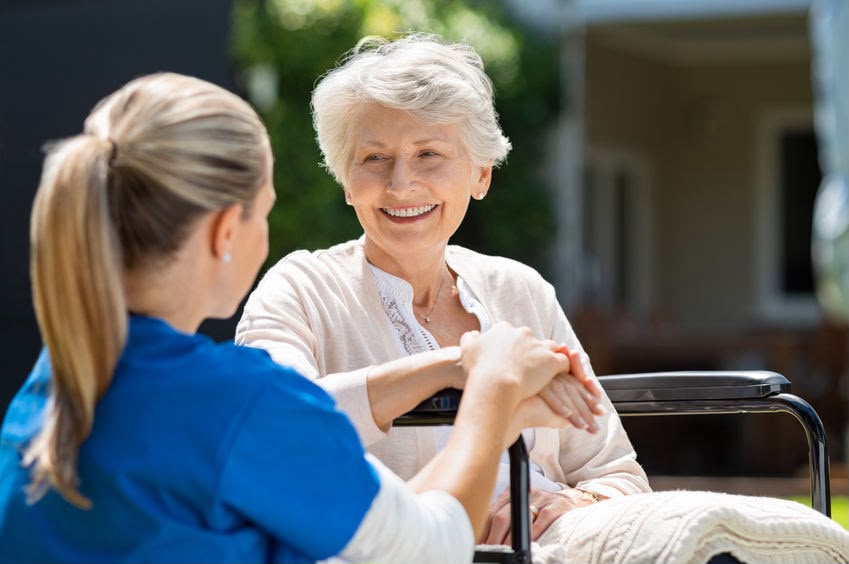
Common challenges seniors face at home can affect their safetyy, comfort, and independence as they age. Although staying at home allows older adults to remain close to familiar routines, neighbors, and treasured memories, everyday activities may gradually become more difficult.
Recognizing these challenges early can help families determine when additional support may be needed. With the right assistance, seniors can continue enjoying familiar surroundings while maintaining as much independence as possible.
1. Difficulty With Everyday Activities
Activities that once seemed simple can become more physically demanding with age. Seniors may have difficulty with:- Bathing and grooming
- Dressing
- Getting in and out of bed
- Using the bathroom
- Preparing meals
- Walking around the home
- Managing household tasks
2. Increased Fall Risk at Home
Falls are one of the biggest safety concerns for older adults. Changes in balance, strength, vision, mobility, or medications can increase the risk of falling. Clutter, loose rugs, poor lighting, and stairs can also create hazards around the home. Families should pay attention if a senior:- Holds onto furniture while walking
- Has difficulty standing up
- Has experienced recent falls
- Avoids certain areas of the home
- Appears unsteady
- Becomes afraid of walking independently
3. Meal Preparation and Nutrition Challenges
Nutrition is one of the most overlooked common challenges seniors face at home. Preparing healthy meals can become challenging when standing for long periods, shopping, cooking, or cleaning becomes difficult. Some seniors may begin:- Skipping meals
- Eating the same foods repeatedly
- Relying heavily on convenience foods
- Forgetting to eat
- Losing interest in cooking
4. Medication Reminder Challenges
Many seniors take multiple medications throughout the day. Keeping track of different medications, schedules, and instructions can become confusing. Families may notice:- Missed doses
- Confusion about medication schedules
- Repeated questions about medications
- Difficulty opening medication containers
- Trouble keeping track of refills
5. Difficulty Maintaining the Home
Maintaining a home requires physical effort. Vacuuming, laundry, changing bed linens, taking out the trash, and keeping frequently used areas clean can become difficult as strength and mobility change. A home that was once well maintained may gradually become cluttered or harder to navigate. For many families, home upkeep is among the most common challenges seniors face at home. Light housekeeping support can help create a more comfortable living environment while allowing seniors to focus on the activities they enjoy.6. Loneliness and Social Isolation in Seniors
Loneliness is one of the common challenges seniors face at home that families often miss. Living alone doesn’t always mean feeling lonely—but isolation can become a concern as social circles change. Friends may move away. Family members may become busy with work and their own responsibilities. Driving may also become more difficult. Signs of social isolation may include:- Spending most of the day alone
- Losing interest in favorite activities
- Avoiding social interactions
- Frequently expressing loneliness
- Becoming less active
7. Transportation Challenges for Older Adults
Driving may become difficult or unsafe for some seniors. Without reliable transportation, they may struggle to attend:- Medical appointments
- Grocery trips
- Social activities
- Community events
- Personal appointments
8. Memory Changes and Daily Organization
Occasional forgetfulness can happen at any age, but noticeable changes in memory or daily functioning deserve attention. Families may notice that a loved one:- Frequently forgets appointments
- Misplaces important items
- Becomes confused about routines
- Repeats the same questions
- Has difficulty organizing daily tasks
- Forgets familiar steps in everyday activities
9. Difficulty With Personal Care
Maintaining personal hygiene and grooming can become challenging when seniors experience mobility limitations, weakness, pain, or other age-related changes. They may need assistance with activities such as:- Bathing
- Dressing
- Grooming
- Toileting
- Personal hygiene
10. Family Caregiver Stress and Burnout
One of the most overlooked challenges isn’t experienced by the senior alone. It’s experienced by the family. Adult children and other relatives often try to balance caregiving with:- Work
- Parenting
- Household responsibilities
- Relationships
- Personal commitments
When Common Challenges Seniors Face at Home Mean It’s Time for Help.
There isn’t one specific age or situation that automatically means someone needs home care. Instead, look for changes in daily functioning and safety. Consider seeking additional support if your loved one is:- Struggling with everyday activities
- Experiencing frequent falls or near-falls
- Having difficulty preparing meals
- Forgetting important routines
- Becoming increasingly isolated
- Having trouble maintaining the home
- Struggling with personal care
- Spending long periods alone
- Creating significant stress for family caregivers
Home Care Doesn’t Have to Mean 24/7 Care
One common misconception is that asking for home care means a caregiver must be present around the clock. That’s not necessarily the case. Depending on your loved one’s needs and the services available in your area, support may range from a few hours of assistance to more extensive care arrangements. The important question isn’t: “Does my loved one need a caregiver all day?” Instead, ask: “What tasks are becoming difficult, and when does my loved one need help?” Understanding which common challenges seniors face at home apply to your loved one can help families develop a more appropriate care plan.Supporting Independence While Providing Care
The purpose of home care isn’t to take away a senior’s independence. It’s to provide support where it’s needed while encouraging them to continue doing what they can safely do for themselves. Sometimes that means helping with a morning routine. Sometimes it’s preparing lunch and doing light housekeeping. Sometimes it’s providing companionship and supervision. And sometimes, more comprehensive support is necessary. The right care plan should be based on the person’s individual needs—not a one-size-fits-all approach.Helping Your Loved One Age Safely at Home
Noticing the common challenges seniors face at home can be difficult, but you don’t have to navigate the next steps alone. At Infinite Love Home Care, we understand how important it is for seniors to feel safe, comfortable, and supported in their own homes. Our team can help your family explore personalized non-medical home care options based on your loved one’s needs and routines.Is Your Loved One Struggling at Home?
You don’t have to figure out the next step alone. A professional home care consultation can help your family understand what type of support may be appropriate based on your loved one’s daily routines, safety concerns, and individual needs. If your loved one is facing any of these common challenges seniors face at home, contact us today to discuss their care needs and explore how home care can help them remain safe, comfortable, and independent at home. Schedule a Care Consultation Today
Because getting a little help today can make staying at home easier tomorrow.